Seven Sisters and hidden worlds
As the evenings lengthen, it’s a lovely time to revisit the Pleiades and explore what light and motion reveal about distant stars. This month: a photograph from the gallery, two interactive experiments and a few dates for your stargazing diary.
The Pleiades: a small cluster with a big story

Around 440 light-years away, the Pleiades form a young star cluster in Taurus. Its brightest members are hot, blue stars. The blue wisps revealed in long exposures are dust scattering their starlight: a reflection nebula.
From the UK or France, look east during November evenings for this compact little group. How many stars can you separate with your eyes alone? Binoculars reveal many more, although the blue nebulosity is far harder to see than a photograph suggests.
Explore the gallery →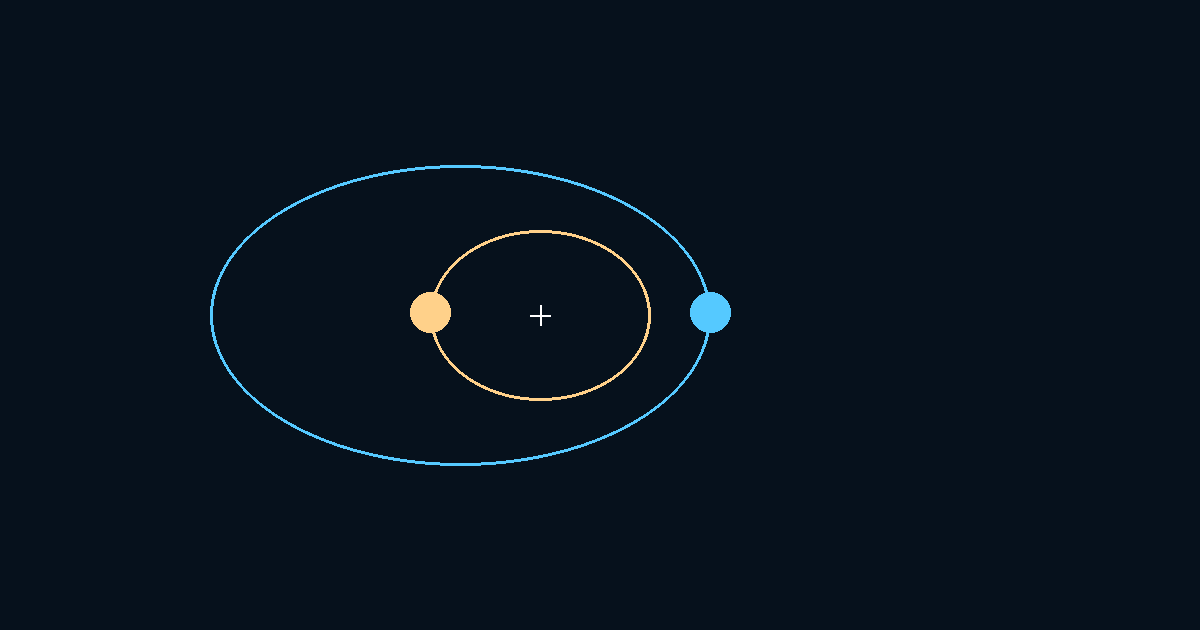 How do you weigh a star?You cannot put a star on a scale. But when it has a companion, their orbital motion gives astronomers a way to measure mass. Move the controls and explore what their dance can tell us. Try the experiment → |
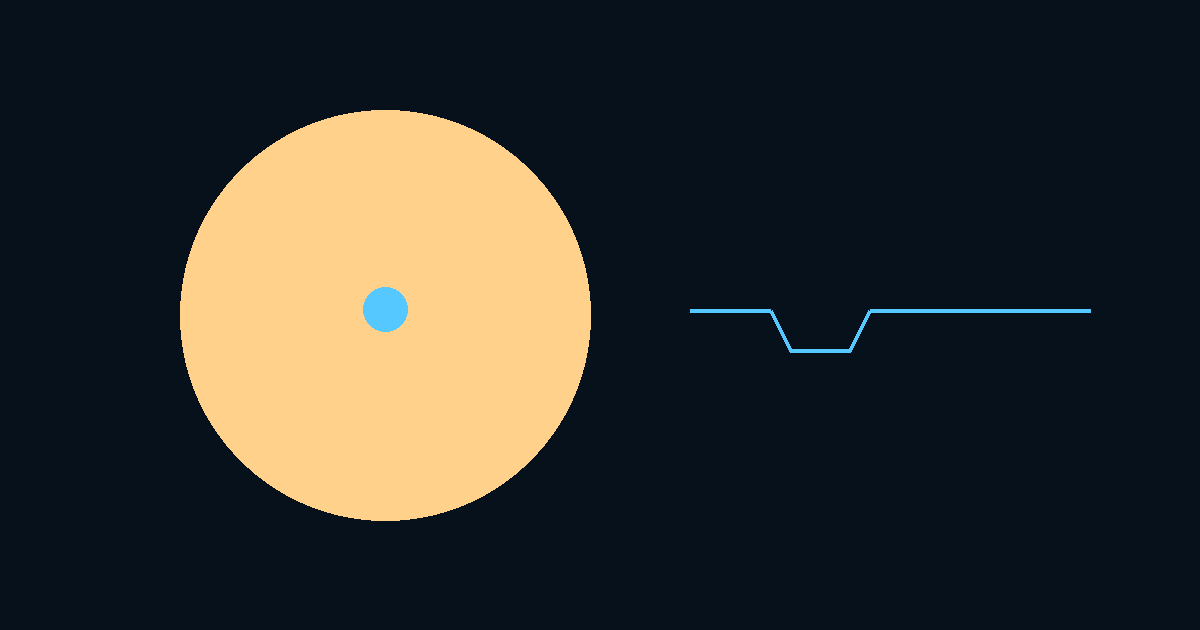 Can you discover a hidden planet?A planet can disappear in the glare of its star. When it passes in front, it blocks a little starlight and produces a dip in brightness. Explore that signature and try to uncover an unseen world. Try the experiment → |
Your November sky
Around 9 November Night of 17–18 November 24 November |
Dates: Royal Observatory Greenwich →.
Give someone a moment under the starsLooking for a Christmas gift for someone who loves astronomy? Get in touch to discuss a private online session exploring deep-sky objects with the Seestar S50. Live observing depends on the weather. Ask about a gift session → |
Clear skies,
Alan
Show Me The Sky